Why Does My Brake Fluid Keep Running Low
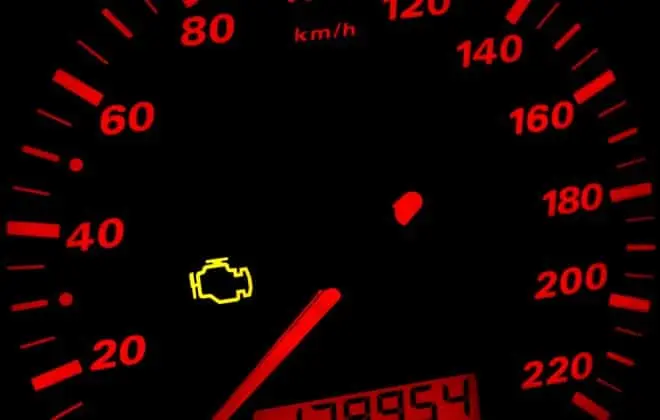
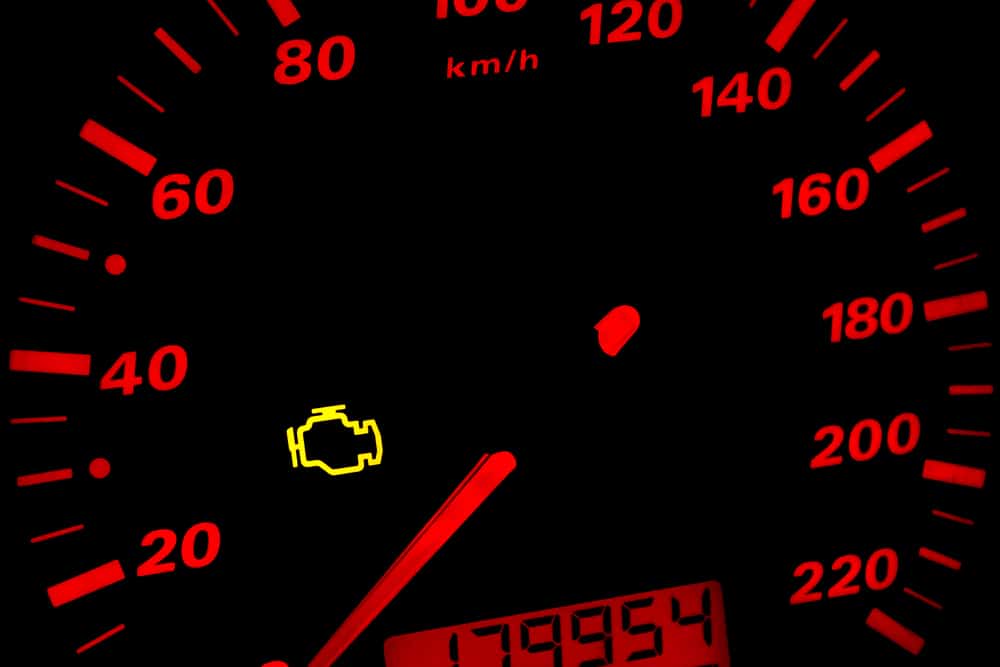
Few things are more unsettling than seeing a warning light related to your brakes. If you’ve recently noticed the brake light illuminated on your dashboard, or checked your reservoir and seen the fluid sitting near the “MIN” line, your vehicle is delivering a critical safety alert.
Brake fluid is the hydraulic link between your foot on the pedal and the calipers/rotors that stop your wheels. Unlike other fluids, it is sealed in a closed system and shouldn’t generally run “low.” So, why is the level dropping? It comes down to one of two possibilities: either it’s a sign of normal wear and tear, or, more dangerously, you have an active leak.
If the fluid ever drops below the minimum fill line, or if you press the pedal and it feels soft or “spongy,” you must stop driving immediately. At Deutmeyer Auto Advantage, we specialize in accurate, comprehensive brake system diagnosis to pinpoint the problem and restore your safety.
Normal Fluid Drop vs. Dangerous Fluid Loss: The Difference
When you notice the brake fluid level has dropped, panic is usually the first reaction. However, understanding the source of the drop is key to determining the urgency of the repair.
1. The Common, Acceptable Drop (Brake Pad Wear)
The most common reason for a gradual drop in brake fluid level is simply the normal process of brake pad wear.
Here’s how it works:
- As your brake pads wear down over thousands of miles, the calipers need to extend further to clamp down on the brake rotors.
- This extension creates extra space behind the caliper pistons, which must be filled by hydraulic fluid drawn from the main reservoir.
- The lower fluid level in the reservoir compensates for the worn-down pads.
The Takeaway: A slow, slight drop over a long period is normal and usually indicates it’s time to check your pads. Critically, you should not top off the fluid in this scenario. Topping off masks a leak and can cause overflow when new pads are installed.
2. The Dangerous Fluid Loss (The Active Leak)
If the fluid level drops quickly, or if the low brake fluid warning light comes on shortly after a recent brake service, this is a clear indicator that you have an active leak in the sealed brake system. This is an emergency and must be addressed immediately by a professional technician. Brake fluid is corrosive and, more importantly, a compromised system means compromised stopping power.
The Four Main Sources of Dangerous Brake Fluid Leaks
If you have confirmed that your fluid drop is not just due to gradual brake pad wear but is a rapid, active loss, the problem lies in a component failure. Here are the four most common high-priority repair areas we check at Deutmeyer Auto Advantage:
3. Brake Lines and Hoses: The External Bleed
The entire brake system relies on a network of lines to deliver pressure from the master cylinder to the wheel calipers.
- Hard Lines (Metal Pipes): In regions where road salt and moisture are common, the metal brake lines can suffer from rust and pitting. This corrosion eventually weakens the line, leading to a pinhole leak. When the driver slams on the brakes, the massive hydraulic pressure can turn that pinhole into a dangerous spray.
- Flexible Hoses: Near the wheels, hard lines connect to flexible rubber hoses to account for suspension movement. Over time, heat, road debris, and age cause the rubber to crack, swell, or chafe against suspension components, leading to an external fluid leak.
Symptom: You may see fluid actively spraying or weeping around the wheel wells, or find long drips of fluid along the frame or chassis.
4. The Master Cylinder: The Heart Failure
The master cylinder is the most important component in your braking system. It converts the mechanical force of your foot on the pedal into hydraulic pressure, and it is responsible for separating the front and rear brake circuits for redundancy.
- External Failure: The seals where the master cylinder bolts to the firewall or brake booster can fail, causing brake fluid to leak externally. Symptom: Fluid visibly dripping down the firewall near the pedal assembly.
- Internal Failure: This is more insidious. The internal seals within the cylinder fail, allowing pressurized fluid to leak past the piston and back into the reservoir instead of being sent to the wheels. Symptom: The brake pedal slowly sinks to the floor when you hold firm pressure on it. This is a severe safety hazard.
5. Caliper Piston Seals or Bleeder Valves: The Wheel Leak
Leaks frequently happen right at the point of action: the wheels themselves.
- Piston Seals: The rubber seals around the caliper piston (which pushes the brake pad against the rotor) can degrade from heat and dirt. Once compromised, fluid leaks out onto the back of the brake assembly. Symptom: A wet, oily residue collecting on the back of the wheel rim or a persistent puddle appearing after parking.
- Bleeder Valves: These small valves are used to flush and remove air from the brake lines. If a bleeder valve is not properly sealed or tightened, it can become a slow, constant point of fluid weeping.
6. The Brake Booster: The Hidden Trap
While not technically a leak point in the traditional sense, a compromised master cylinder can leak internally into the brake booster (the large, round component that provides power assistance to your braking). This allows fluid to be effectively “lost” from the system, collecting inside the booster where it degrades the diaphragm.
Symptom: An extremely hard brake pedal combined with a persistent drop in reservoir fluid level.
What to Do Immediately When Your Brake Fluid is Low (Safety First)
Brake system issues are not repairs you can put off. If your brake fluid warning light is on, or if you notice a rapid drop in the reservoir level, follow these critical steps:
- Pull Over Safely: If your pedal feels soft or spongy, or if the light is on, find a safe place to stop immediately. Drive only if absolutely necessary and maintain a slow speed, keeping a huge distance from all other traffic.
- Avoid Topping Off: Never simply add fluid without fixing the root cause. A leak means you have a hole in the system. Topping off only gives you a false sense of security, and the leak will return, possibly causing total brake failure at the worst possible moment.
- Use the Correct Fluid: If you must add fluid to safely reach a repair facility, ensure you only use the DOT fluid type specified in your owner’s manual (usually DOT 3, 4, or 5.1). Using the wrong type can severely damage internal components.
- Call Deutmeyer Auto Advantage: As brake specialists, we have the tools to pressure-test your system and immediately identify the exact source of the leak, whether it’s a minor hose crack or a major master cylinder failure.
Conclusion & Call to Action
Brake system issues are safety issues—not maintenance issues. Trust your car’s warning signals and prioritize your family’s safety above all else.
Don’t gamble with your stopping power. Call Deutmeyer Auto Advantage today at or click below to schedule a comprehensive Brake System Inspection. We’ll pinpoint the cause of your fluid loss, perform expert repairs, and restore your braking confidence.